
Ready to explore authentic German recipes? From warming soups to satisfying mains and irresistible desserts, this collection brings real German home cooking to your kitchen — no trip to Germany required!
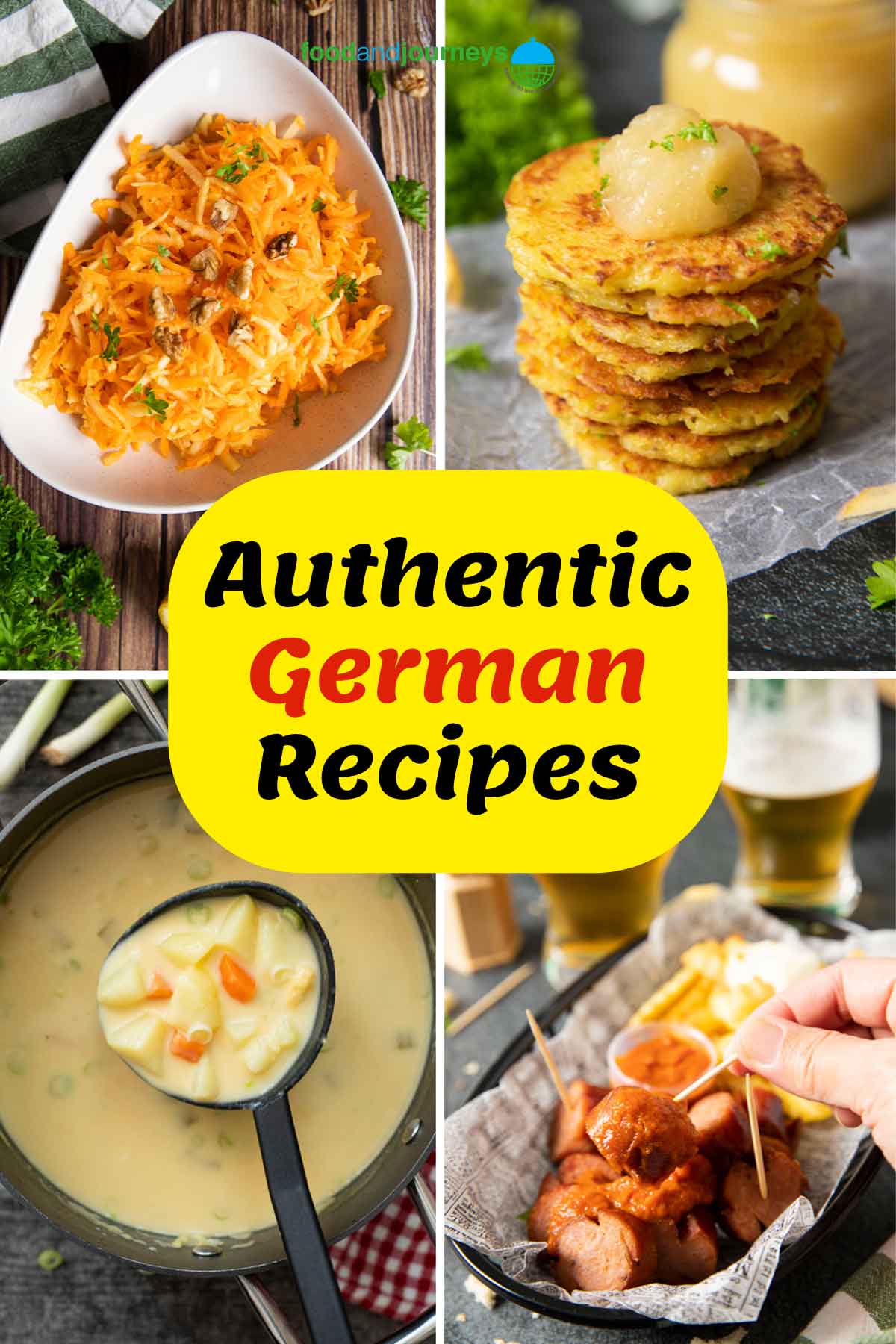
German cooking is comfort food and homemade meals at its finest — simple and hearty.
Whether you’re looking for a classic lentil soup on a cold night, or freshly baked pie for the weekend, this collection of authentic German recipes is an excellent place to start.
You can kick off with our beginner-friendly guide on how to cook bratwurst and serving ideas. Or if you’re craving something warm? Try one of the beloved favorite recipes on the blog — kartoffelsuppe (German potato soup).
From traditional soups to savory mains, classic sides, and sweet German desserts, this is your one-stop guide to real, homemade German cooking — no hard-to-find ingredients required!
Jump to:
Traditional German Soups
Soup is a staple at the German dinner table, served as an appetizer of a full meal in itself.
Start with the most popular recipe on the blog, German bean soup (bohnensuppe), or warm up with the paprika-rich German goulash soup.
For the full collection, browse all our Traditional German Soup Recipes.

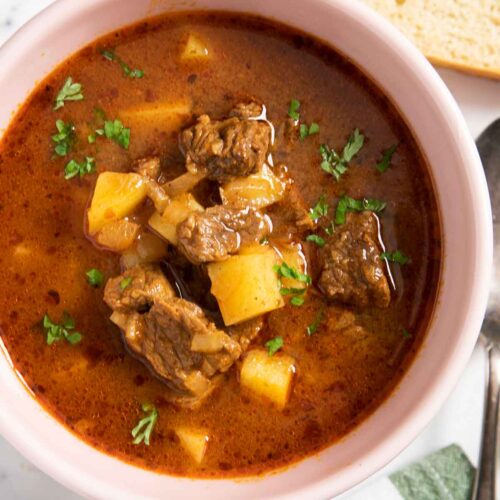
Trust me, these two samples are just teasers. 😉
German Main Dishes
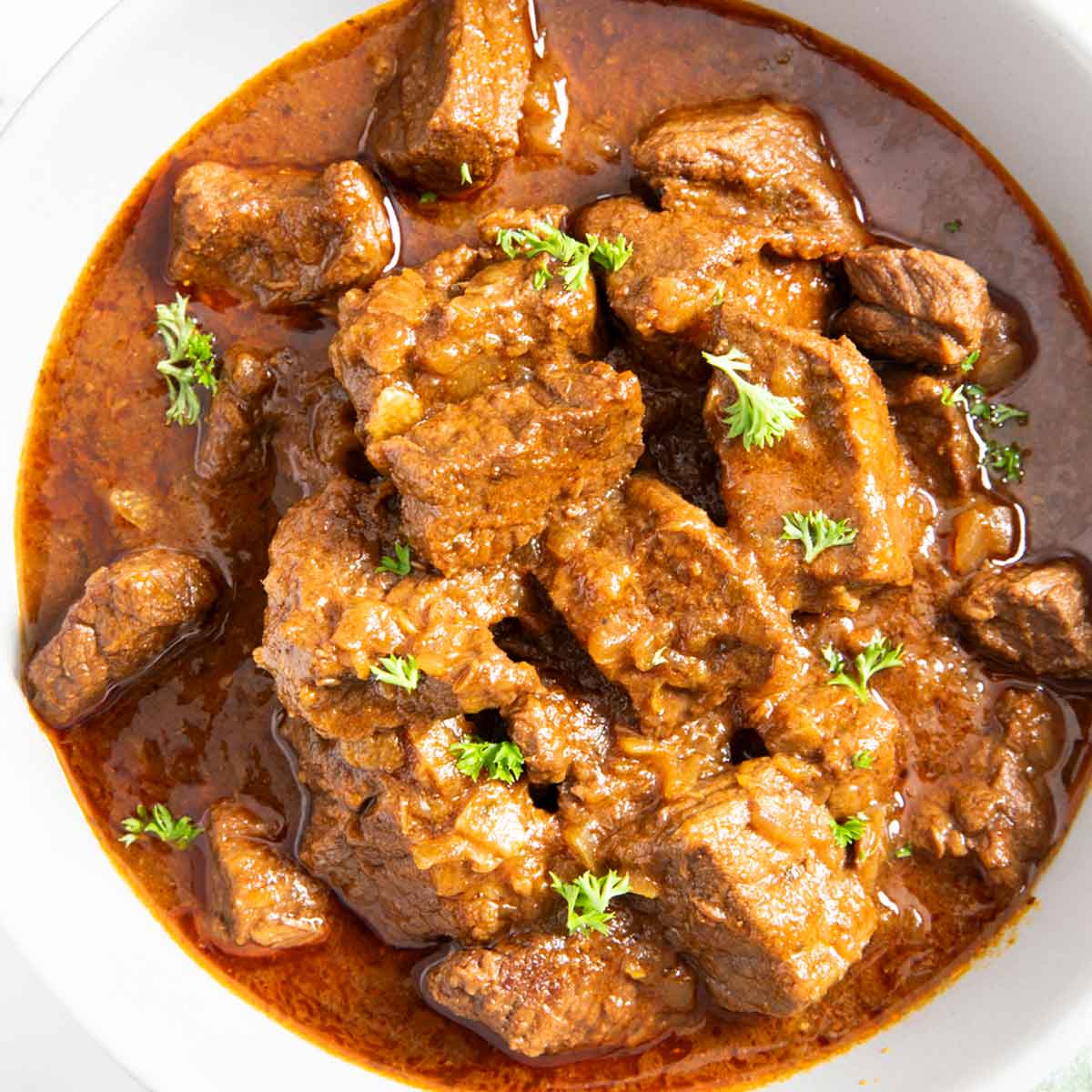
Rindergulash (German Beef Goulash)
You’ll get tender chunks of beef, simmered slowly in a rich paprika-flavored sauce.
It’s comfort food at its finest, and an excellent Sunday dinner dish.
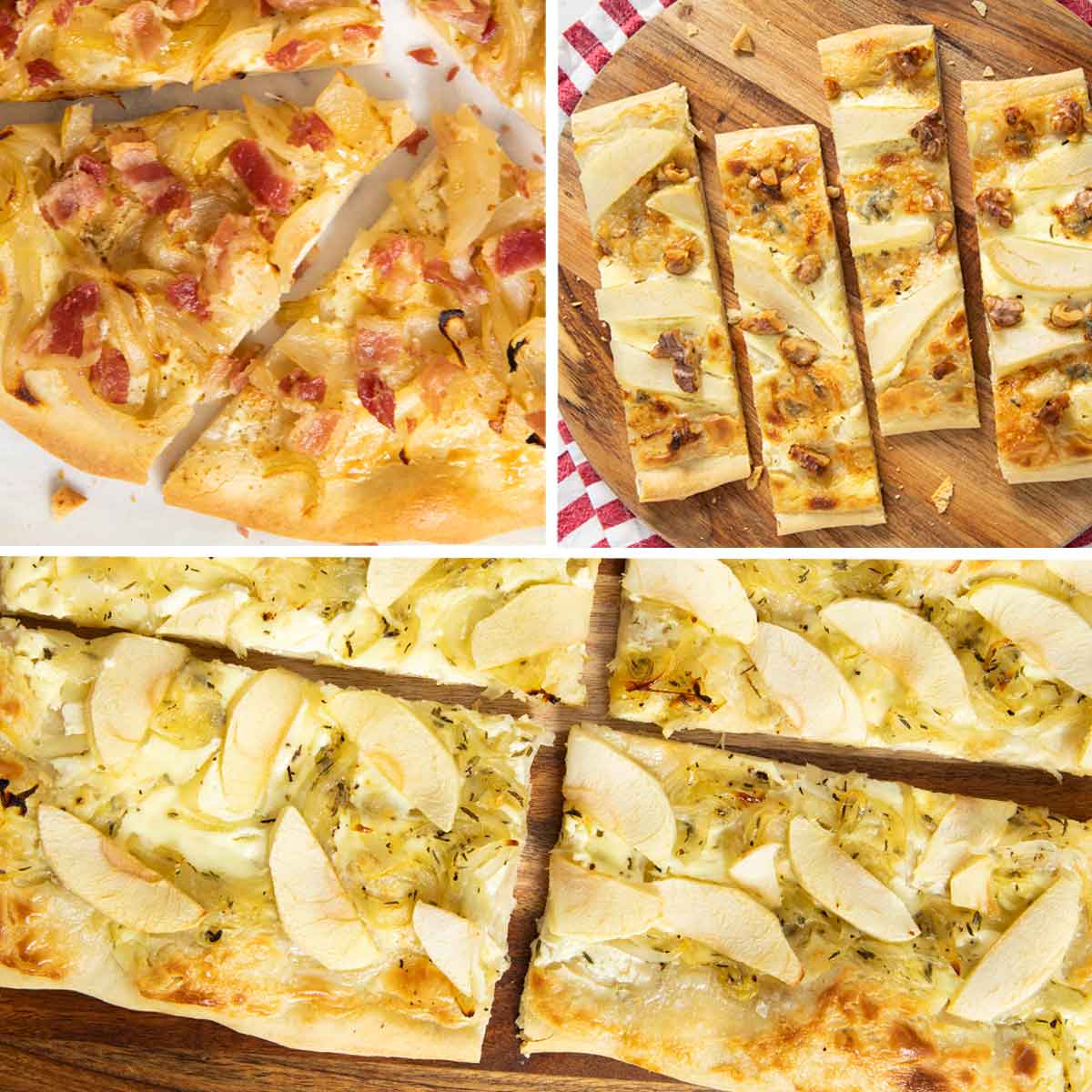
This is Germany’s answer to pizza.
It’s a thin, crispy flatbread topped with speck (or bacon) and caramelized onion, for the classic version.
But if you are in the mood for other modern flammkuchen toppings, this post has it too: like gorgonzola and pear or apples and onions!

Germany’s most famous street food, hands-down!
It’s made of sliced sausage smothered in a curry, spicy ketchup sauce that’s so easy to make in your own home — and you can even decide how spicy you want it to be.
Classic German Side Dish Recipes
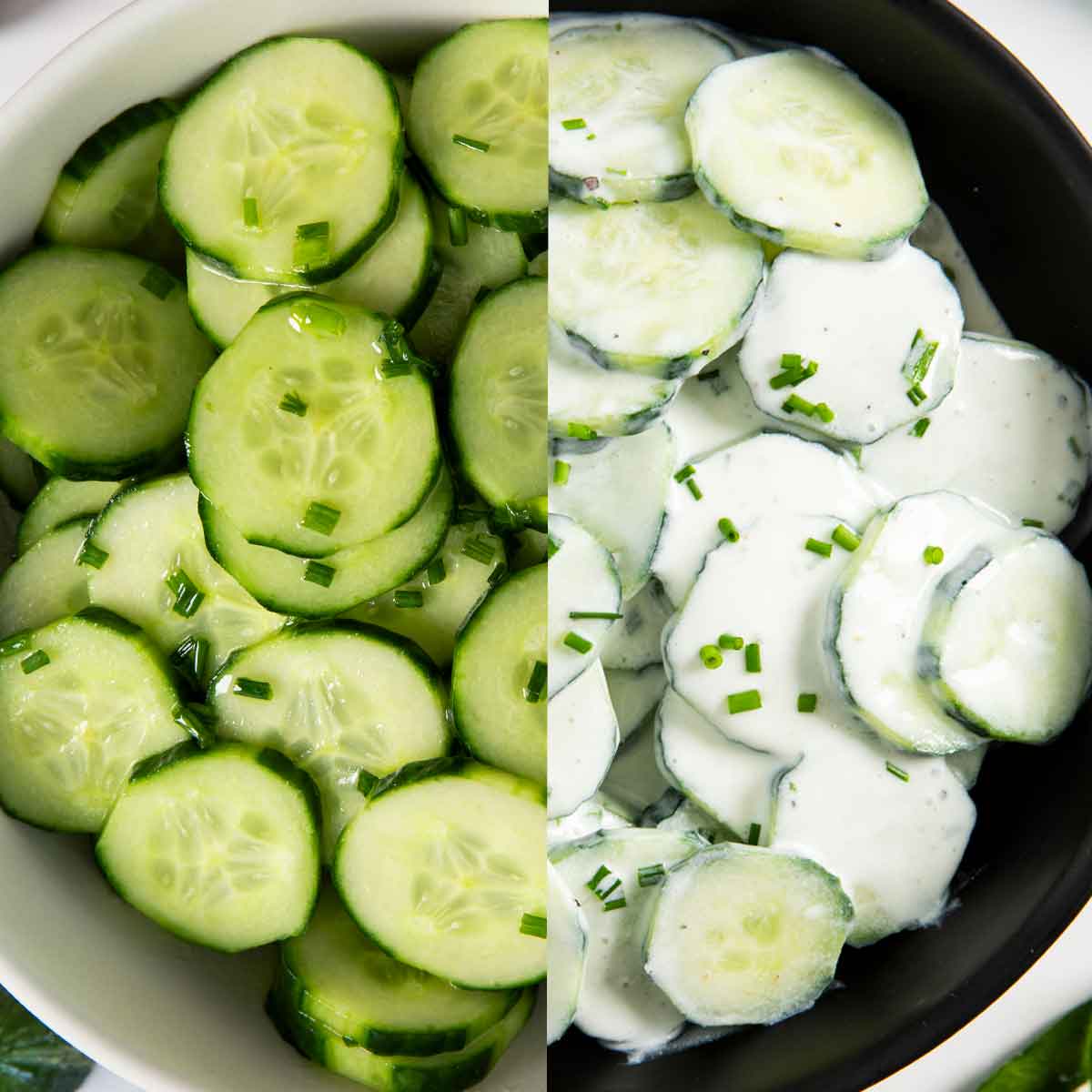
Gurkensalat (German Cucumber Salad)
Depending on your mood, you can choose between vinegar-based or creamy-based dressing for your cucumber salad.
Both types of gurkensalat are popular in various regions in Germany — all year round.
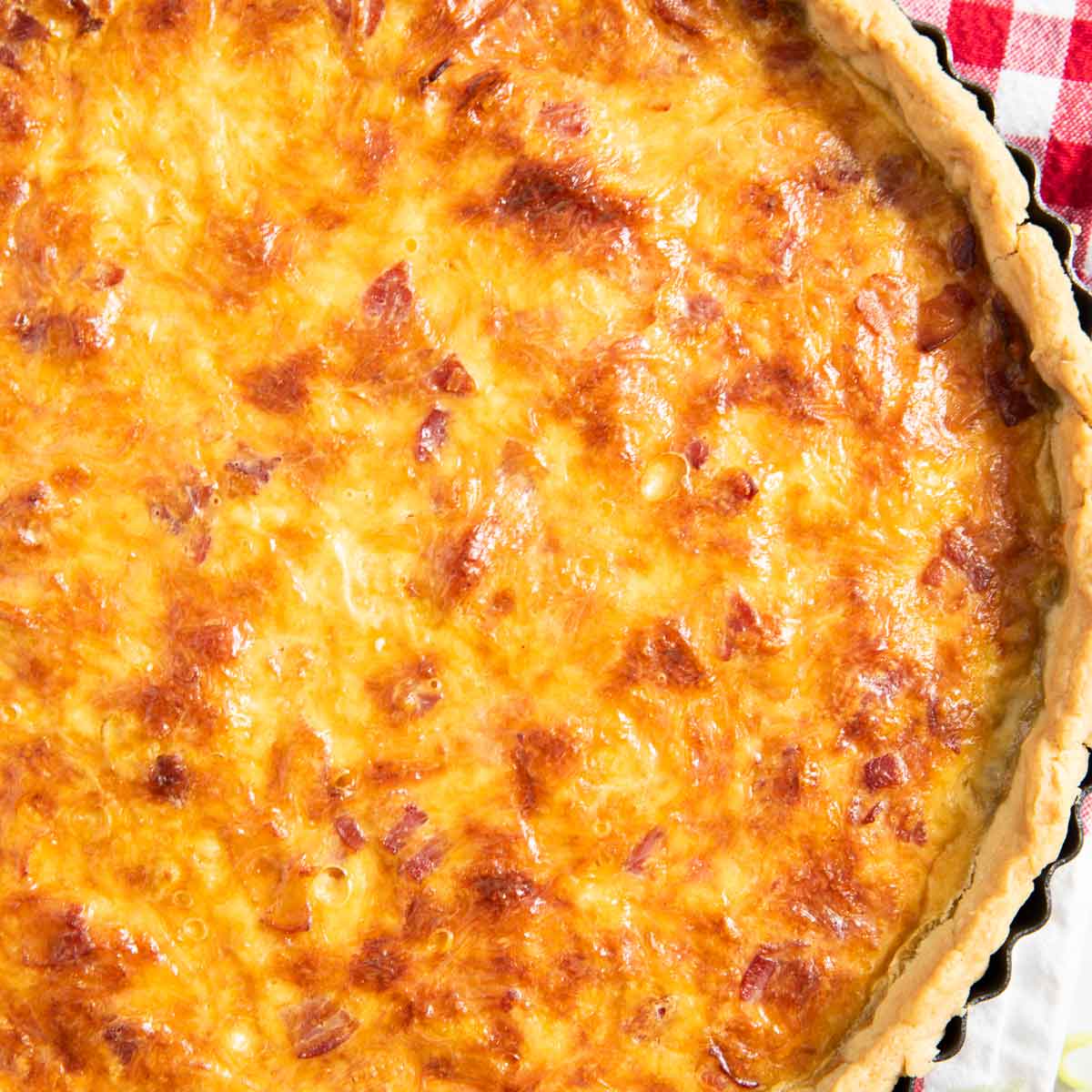
Yes, it’s a savory pie, but the leeks are cooked until they’re soft and sweet.
Then baked in a crispy pastry crust until everything turns golden.
It really is a contrast of taste and texture: sweet, cheesy, creamy, and crunchy. You’ve got to try it to believe it!

Kartoffelgratin (German Scalloped Potatoes)
It’s not a pie, but it’s another creamy, cheesy, and baked-until-golden treat.
At its center are the thin slices of potato rounds seasoned simply with salt, pepper, and a hint of herb — it’s pure potato comfort.

Karottensalat (German Carrot Salad)
An exceptionally light dish with grated carrots and some chopped apples, coated with a citrusy dressing.
Rounding it all up with bits of nuts for the crunch.

Kartoffelpuffer (German Potato Pancakes)
You grate the potatoes finely, form them into small pancakes, and lightly fry them.
The result is a dish that will keep you eating.
Crispy on the outside, soft in the center — and to fully enjoy it like the locals, serve it with a spoonful of applesauce on the side.

Not too sweet, not too tangy, just pure apple flavor in every spoonful of this traditional German applesauce.
The best part? You can easily make it at home!
German Dessert Recipes
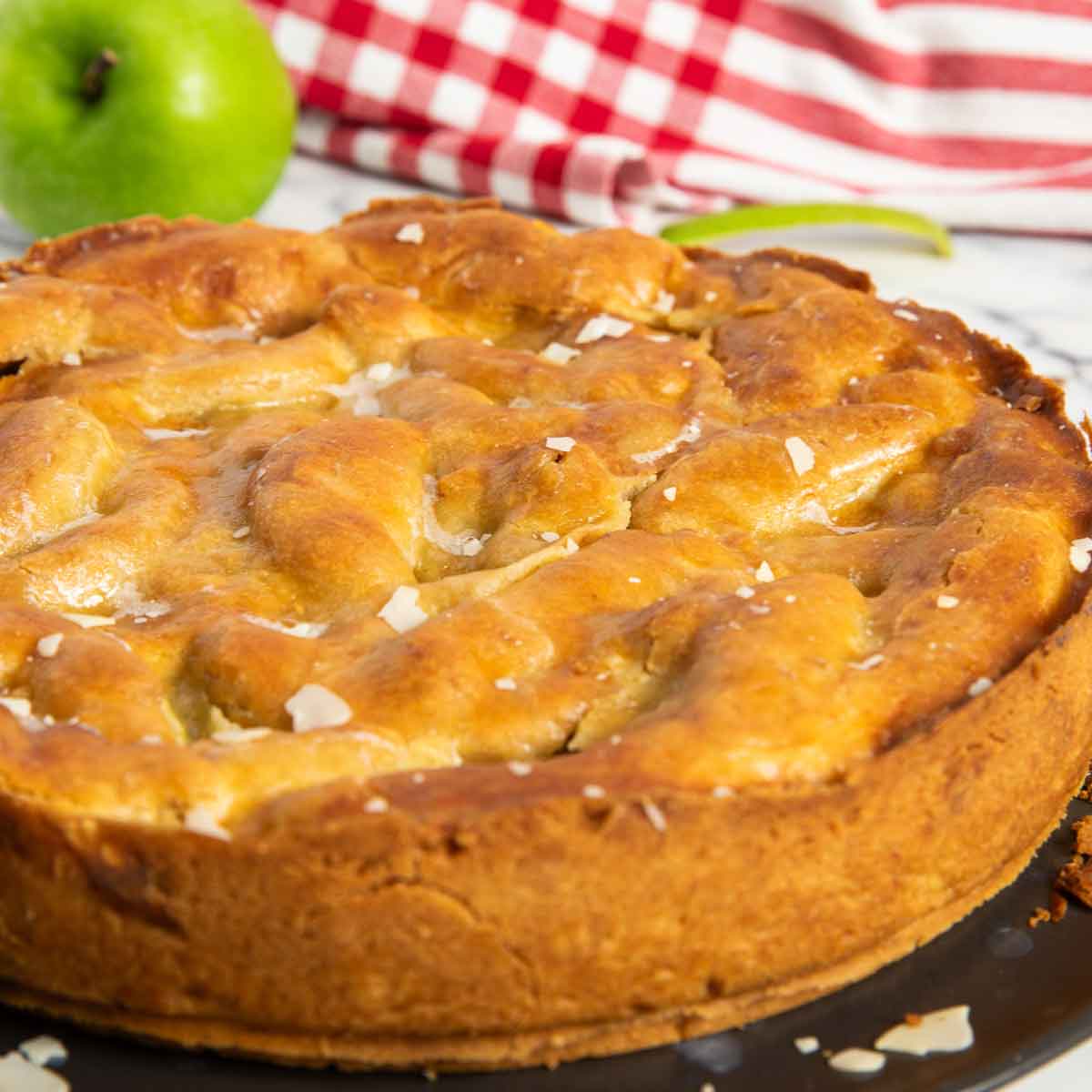
It’s subtly flavored with cinnamon, with bits of raisins and almonds, and of course, tons of apple slices.
A perfect balance of sweet and tangy, with some crunch on the side!

A light and soft cake with thick apple slices sinking into the batter as it bakes.
The result? Bursts of apple goodness in every bite of this traditional German cake.

Apfelküchle (German Apple Fritters)
Apple rings dipped in batter and fried until golden and lightly crispy.
It’s traditionally served with vanilla sauce or just a sprinkle of cinnamon sugar.
But if you want to do it like the locals, make sure you use green apples!
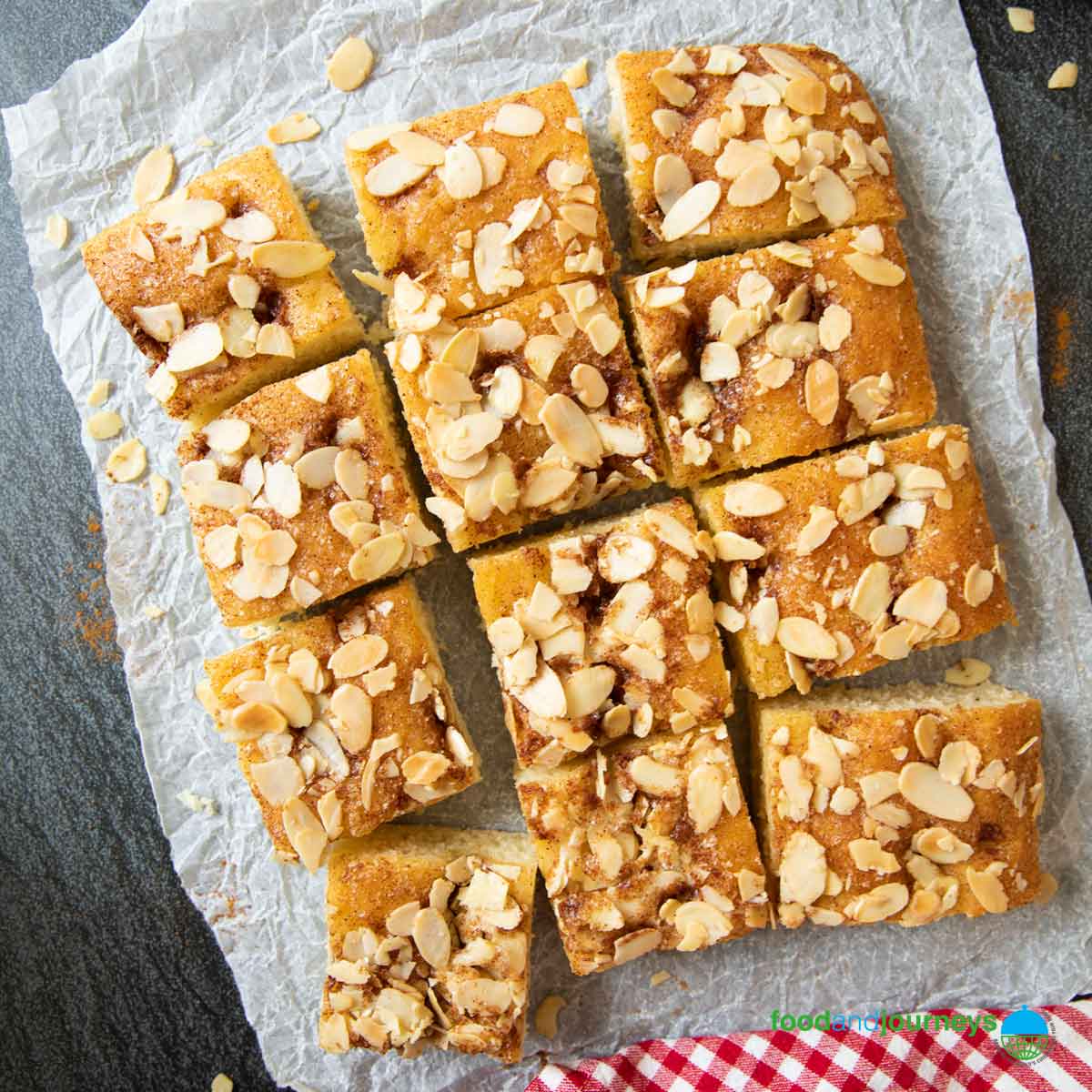
Butterkuchen (German Butter Cake)
A yeasted, bread-like cake that’s topped with butter, sugar, cinnamon, and almond slices.
It’s excellent for dessert or afternoon tea, and light enough for breakfast.

Eiskaffee (German Iced Coffee)
I can safely say it’s part coffee, part dessert.
Why? You’ve got cold coffee layered with ice cream and whipped cream.
I mean, c’mon on, what else can you ask for a summer treat?

Schokobrötchen (German Chocolate Buns)
These are soft, pillowy buns with bits of chocolate chips inside — excellent for midday snacks or after-meal dessert.
So really, all you need is a cup of coffee or tea, and you’re good to go!

Bethmännchen (German Baked Marzipan Cookies)
It’s marzipan made into soft cookies and topped with almond halves.
Don’t worry if you cannot find marzipan in your part of the world!
You can easily make your homemade marzipan — so you can enjoy this beloved German Christmas classic in your part of the world.

(Elisenlebkuchen) German Flourless Christmas Cookies
These soft cookies are made with ground nuts instead of flour and can be covered in chocolate or sugar glazing.
Flavored with warm spices, they taste like the holidays in every bite!
Common German Pantry Staples
- Potatoes. Arguably the backbone of German cooking. Whether boiled, mashed, fried or blended into a creamy potato soup, potatoes of various types show up in nearly every meal.
- Speck or bacon. It’s the flavor base for countless German soup recipes, but it’s also used as a topping for flammkuchen or salad. Speck can be hard to find in other parts of the world, but bacon is an excellent alternative — you’ll get the smokiness and the crispiness that’s needed for that extra oomph.
- Sauerkraut. The iconic German fermented cabbage can be a simple side dish on its own, or it can also be the star ingredient in another dish like German sauerkraut soup. Either way, having a jar on hand is always a winner.
- Caraway Seeds. An essential spice in the German pantry, it adds a bit of peppery, anise-like flavor to cabbage dishes, salads, or even bread. And no, you don’t need to use tons — a little goes a long way.
- Paprika. If you see some bright, reddish German dish, 90% of the time, that’s paprika. It’s a staple for adding color and depth of flavor in every dish, like German beef goulash. But don’t be confused; German paprika is milder than the smoked or hot varieties — so you can pile it up. 😉
FAQ
What is the most popular German dish?
Bratwurst is the most iconic, though currywurst holds its own as Germany’s favorite street food.
But soups and stews, like kartoffelsuppe (German potato soup) and Rindergulasch (Beef Goulash), are just as beloved at home — especially during colder months.
What is traditional German food like?
German cuisine is hearty and built around simple techniques and ingredients like potatoes, bread, pork, and root vegetables.
Homemade meals tend to be filling rather than fancy, with slight variations brought about by regional specialties.
Is German food spicy?
Not traditionally.
German cooking leans toward warm, savory flavors rather than heat — paprika and mustard are used to add depth of flavor, not heat.
From comforting soups to freshly baked desserts, German cuisine shows that simple ingredients can turn into some of the most satisfying meals you’ll ever make.
So, whether you’re cooking a full Sunday spread or just craving a bowl of sauerkrautsuppe on a weeknight, there’s a German recipe here for every occasion.
Guten Appetit! 🇩🇪
IF YOU WANT MORE EUROPEAN RECIPES, YOU WILL LIKE THESE RECIPES BY COUNTRY!



Leave a Reply